Understanding the psychology behind gambling behavior in casinos
The Allure of Casinos
The thrill of casinos draws millions of people each year, captivating them with bright lights, exciting sounds, and the promise of winning. This environment is meticulously designed to evoke emotional responses and create an immersive experience. Players often find themselves in a euphoric state, where the excitement of potential rewards overshadows the risks involved. The sensory overload can lead to a disconnection from reality, causing individuals to ignore the odds and focus solely on the exhilaration of the moment. In this context, you might discover an exciting place such as West Ace casino, which enhances this captivating gaming experience.

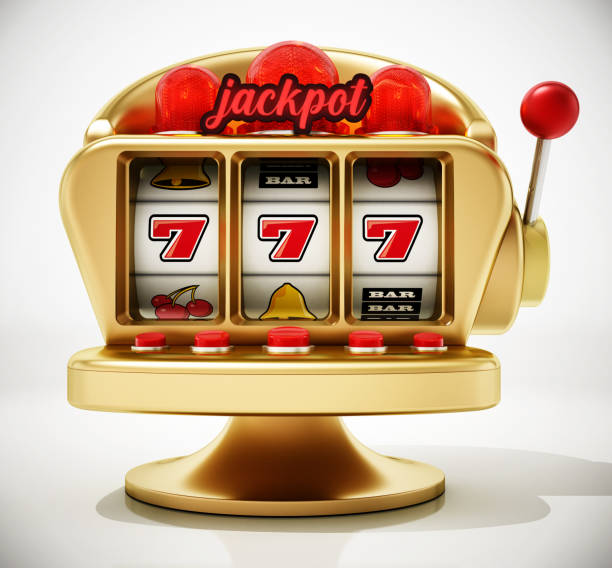
Many gamblers are influenced by the concept of “near-misses,” which occurs when they come close to winning but ultimately do not. This feeling can intensify the desire to continue playing, as individuals often perceive these near-misses as a sign that they are close to winning. For instance, when spinning the reels of a slot machine, seeing two matching symbols followed by a different one can create a false sense of hope and encourage players to gamble even more.
The design of casinos is also strategic, featuring no windows or clocks to distort time perception and encourage extended play. Such environments facilitate a mindset where players focus more on the activity than the passage of time, leading to longer gambling sessions. This psychological manipulation is fundamental to understanding why people continue to gamble, despite knowing the inherent risks involved.
The Role of Cognitive Biases
Cognitive biases play a significant role in shaping gambling behavior. One common bias is the illusion of control, where gamblers believe they can influence the outcome of a game despite it being purely chance-based. This can be seen in games like poker, where players might feel that skill can outweigh luck. Such beliefs can lead to overconfidence, making gamblers more likely to place larger bets, even when they are statistically less likely to win.
The gambler’s fallacy is another prevalent cognitive bias affecting decision-making. This phenomenon occurs when individuals believe that past events can influence future outcomes in random games. For instance, if a player observes a particular number not being drawn in a lottery, they may assume it is “due” to appear soon. This fallacious reasoning often leads to irrational betting patterns and increased losses.
Ultimately, these cognitive biases serve as mechanisms that can drive individuals deeper into gambling behavior. By understanding these biases, players can become more aware of their decision-making processes, allowing them to make more informed choices about their gambling habits. Recognizing these tendencies is crucial in mitigating the risks associated with casino gambling.
The Emotional Dynamics of Gambling
The emotional experiences associated with gambling can significantly impact behavior. Many players gamble to escape negative feelings, such as stress or anxiety. The immediate thrill of betting can serve as a distraction from everyday problems, creating a cycle where individuals continuously seek this form of emotional relief. However, while gambling may provide temporary happiness, it can lead to adverse long-term effects, including addiction and financial instability.
Winning can elicit feelings of euphoria, further solidifying the desire to gamble. This can create an emotional rollercoaster, where players oscillate between the highs of winning and the lows of losing. Such fluctuations can make gambling seem more appealing as players yearn to return to those euphoric moments. This emotional attachment can cloud judgment, making it difficult for individuals to recognize when to stop.
Furthermore, social dynamics within casinos can also influence emotional responses. Players often engage in shared experiences, celebrating wins together or commiserating losses. This social aspect can enhance the overall experience, making gambling more enjoyable and enticing. As individuals become emotionally invested, their gambling behavior may intensify, further complicating their relationship with gambling.
The Impact of Marketing Strategies
Marketing strategies employed by casinos are designed to exploit psychological tendencies and enhance gambling behavior. Promotions, loyalty programs, and flashy advertisements are all tailored to create a sense of urgency and excitement. For instance, casinos may offer enticing welcome bonuses or free spins to attract new players, creating an immediate incentive to gamble. These strategies capitalize on the thrill of potential reward, encouraging individuals to participate without fully considering the consequences.
Additionally, casinos often use subliminal messaging through the ambiance and atmosphere of their establishments. The sounds of winning, the sight of celebratory players, and the overall aesthetic are crafted to evoke positive emotions. This carefully curated environment reinforces the idea that gambling is an enjoyable and rewarding activity, further enticing players to engage in more gambling behavior.
The use of social proof, where individuals are influenced by the actions of others, is also prevalent in casinos. Seeing others win or enjoying their time can create a bandwagon effect, compelling others to join in on the gambling experience. This psychological phenomenon is powerful, as it can lead individuals to gamble simply to be part of the shared excitement, often without considering their own financial limitations.
WestAce: A Safe Gaming Experience
WestAce, a premier online casino established in 2026, provides players in the UK with a wide-ranging gaming experience while emphasizing responsible gambling practices. With an extensive collection of over 3,000 games, including slots and live tables, WestAce offers high-quality entertainment in a secure environment. Their commitment to player safety ensures that users can enjoy their favorite games while being aware of the psychological aspects of gambling.
The platform actively promotes responsible gambling, equipping players with tools to manage their gaming behaviors effectively. With 24/7 customer support, WestAce offers guidance and assistance for individuals who may need help navigating the complexities of gambling psychology. They understand that awareness of one’s gambling behavior is crucial in ensuring a fun and safe gaming experience.
By providing a user-friendly interface across multiple devices, WestAce ensures that players have easy access to their favorite games while fostering a responsible gaming atmosphere. Whether you are a seasoned player or new to the scene, understanding the psychology behind gambling behavior can enhance your experience, making it both enjoyable and mindful. Join WestAce today to explore exciting promotions and take part in a thrilling, yet responsible gaming journey.
