Understanding the psychological effects of gambling on decision-making processes
The Nature of Decision-Making in Gambling
Decision-making in gambling is a complex interplay of cognitive processes influenced by various psychological factors. When individuals engage in gambling, they are often faced with choices that can lead to either substantial gains or significant losses. This unpredictability invokes a sense of excitement and tension that can cloud rational judgment. As players weigh the odds, their emotional responses may override logical reasoning, leading to decisions that are more impulsive than calculated. Interestingly, many players turn to King Johnnie Australia for a more guided approach to gambling that encourages responsible decision-making.

The impact of risk perception is particularly pronounced in gambling scenarios. Many individuals perceive the potential rewards as being higher than the risks involved, a phenomenon known as optimism bias. This cognitive distortion can lead players to believe they are more likely to win than they actually are, skewing their decision-making process. Consequently, gamblers may continue to engage in risky bets, relying on emotions rather than statistical realities.
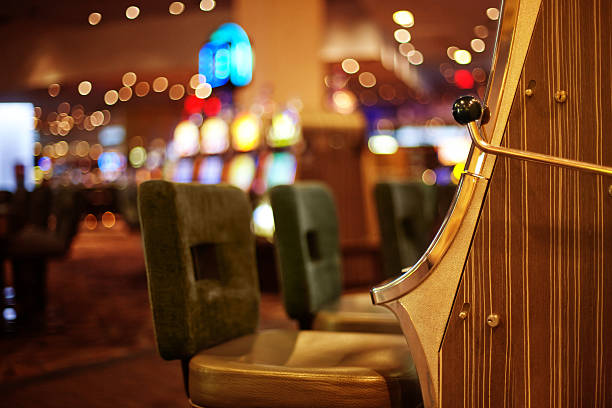
Moreover, the environment plays a crucial role in shaping decisions in gambling contexts. Bright lights, engaging sounds, and the overall ambiance of casinos create a stimulating atmosphere that heightens emotional responses. This sensory overload can impede rational thinking, leading gamblers to make hasty decisions without fully considering the consequences of their actions.
The Role of Emotions in Gambling
Emotions are a significant driving force behind gambling behaviors, often influencing decision-making in profound ways. For instance, the euphoria experienced during a winning streak can lead to an overestimation of one’s abilities, prompting players to take on more risk. Conversely, feelings of loss can trigger a response known as “chasing losses,” where gamblers continue to bet in hopes of recovering their previous losses. This emotional rollercoaster can result in a cycle of escalating bets, often leading to greater financial distress.
Anxiety and stress also play key roles in the gambling experience. When players are anxious about their finances or personal life, they may use gambling as a temporary escape, which further complicates their decision-making processes. The need to alleviate stress can drive impulsive bets, often with little regard for the potential negative outcomes. This emotional reliance creates a feedback loop that reinforces problematic gambling habits.
The interplay between emotional highs and lows can also affect a gambler’s self-control. Research has shown that heightened emotions can impair cognitive functions, making it harder for individuals to make rational decisions. This diminished capacity for self-regulation can lead to a propensity for making choices that one would typically avoid under calmer conditions, illustrating how emotions can derail sound decision-making in gambling.
Cognitive biases significantly influence how gamblers perceive situations and make decisions. One of the most common biases is the illusion of control, where players mistakenly believe they can influence random outcomes, such as in games of chance. This belief can lead to overconfidence in their decision-making abilities, resulting in riskier bets and increased gambling frequency.
Confirmation bias is another cognitive distortion that affects gambling decisions. Gamblers often seek out information that supports their previous choices, ignoring evidence that contradicts their beliefs. For instance, a player may remember their last successful bet while disregarding a long history of losses. This selective memory can reinforce the idea that they are making sound choices, despite clear statistical evidence to the contrary.
Additionally, the framing effect can alter a gambler’s perception of outcomes based on how information is presented. For example, a bet may seem more attractive if it is framed as a “chance to win” rather than a “chance to lose.” This subtle shift in perspective can significantly impact decision-making, prompting gamblers to take risks they might otherwise avoid if presented with the information in a different context.
The Long-Term Consequences of Gambling on Decision-Making
The psychological effects of gambling extend beyond immediate decision-making processes, often leading to long-term behavioral changes. Chronic gamblers may find their ability to make rational decisions in other areas of their lives compromised. The habitual nature of gambling can create patterns of impulsive behavior that seep into daily life, affecting personal relationships, work performance, and financial stability.
Moreover, addiction can develop as a result of these psychological influences, leading individuals to prioritize gambling over other essential responsibilities. This shift in focus can result in a deterioration of personal and professional relationships as gambling takes precedence. The compulsive need to gamble can override logical decision-making, leading to increasingly risky behaviors and detrimental life choices.
Additionally, the long-term effects of gambling-related stress can have profound mental health implications. Gamblers may experience anxiety, depression, and feelings of isolation as they grapple with the repercussions of their decisions. The psychological toll of gambling can lead to a cycle of self-destructive behaviors, illustrating the importance of understanding these effects on decision-making processes.
King Johnnie Casino: A Responsible Gambling Environment
At King Johnnie Casino, the focus is on providing a responsible gambling environment for players. The casino recognizes the psychological effects of gambling on decision-making processes and prioritizes player well-being. By offering a wide range of educational resources, King Johnnie Casino aims to promote awareness of responsible gambling practices and the importance of making informed decisions.
The platform ensures that players have access to tools that encourage responsible gaming, such as deposit limits and self-exclusion options. By fostering a supportive atmosphere, King Johnnie Casino helps players make informed choices and mitigate the psychological impacts of gambling. This commitment to responsible gambling underscores the casino’s dedication to creating a positive gaming experience.
Furthermore, the availability of 24/7 customer support means that players can seek assistance whenever needed, making it easier to navigate the complexities of gambling decisions. King Johnnie Casino’s approach reflects an understanding of the psychological dynamics at play, ensuring that players are equipped to make choices that align with their values and well-being.
“`
